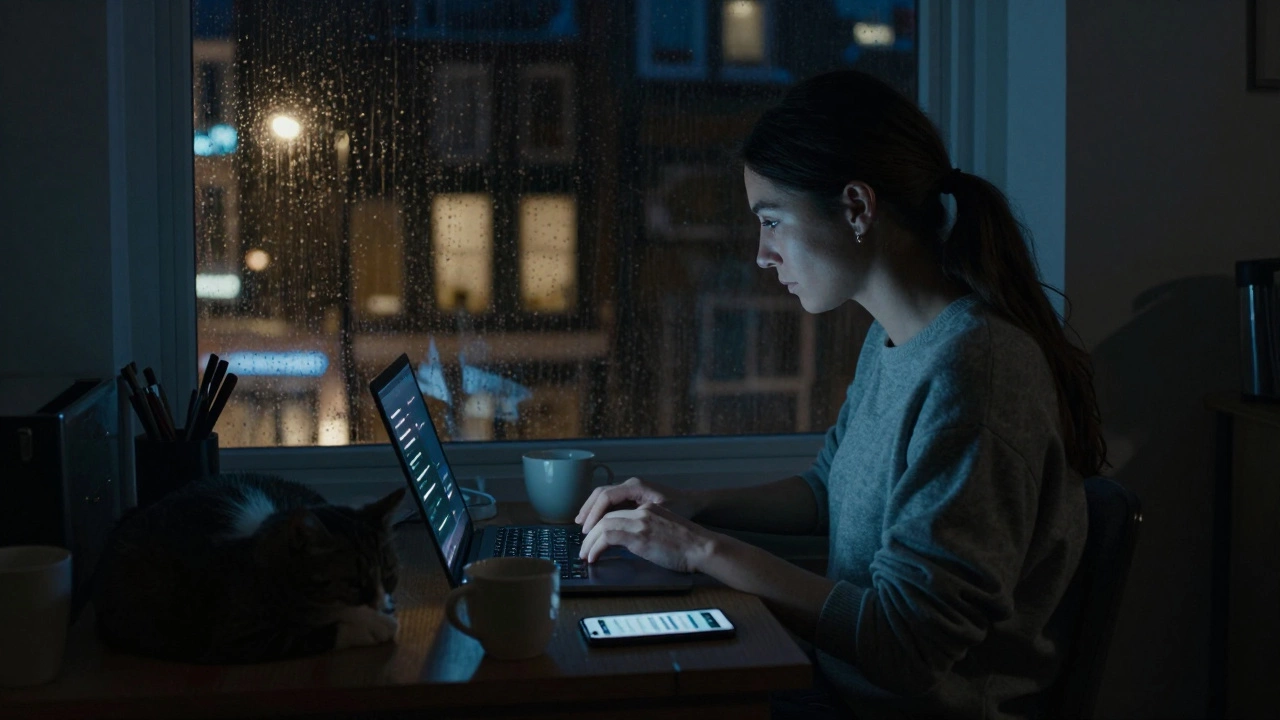
2019 was a turning point for sex work in many parts of the world. In the UK, police raids on private apartments in London increased by 37% compared to 2018, according to Home Office data. At the same time, online platforms like OnlyFans and Patreon saw a surge in sex workers transitioning away from street-based or client-facing models. The shift wasn’t just about safety-it was about control. More people were choosing to work from home, using encrypted apps, and setting their own rates. One woman in Manchester told a local journalist she made more in a week online than she did in a month working as a street-based worker. And while the conversation often centered on exploitation, the real story was about autonomy.
For some, the demand for specific types of services led to niche markets growing quietly. In London, searches for euro girls escort london spiked in early 2019, driven largely by foreign tourists and expats. These ads didn’t always mention legality-they focused on discretion, language skills, and appearance. Many of the individuals behind these listings were Eastern European women who had moved to the UK legally on student or work visas, then found themselves in informal care work or companionship roles. The line between companionship and sex work blurred in practice, even if it didn’t on paper. Police didn’t arrest them for prostitution unless there was clear evidence of payment for sex, which many avoided by framing services as "dating" or "companionship."
Legal Gray Zones and Police Priorities
England and Wales still criminalize soliciting, kerb crawling, and running brothels, but not the act of selling sex itself. That legal loophole meant enforcement was messy. In 2019, the Metropolitan Police launched Operation Kite, targeting online advertising networks rather than individual workers. They shut down over 200 websites that hosted ads for sex services, including some that listed
Meanwhile, in Scotland, the law had changed in 2007 to criminalize buying sex. By 2019, reports showed a 41% drop in street-based sex work in Glasgow and Edinburgh. But in London, where buying remained legal, the number of people advertising services online kept rising. The difference wasn’t just policy-it was culture. In Scotland, stigma against clients grew. In London, clients became more careful, not less.
The Rise of Digital Platforms
Before 2019, most sex workers relied on classified sites like Backpage or AdultWork. When Backpage was shut down in 2018, many moved to Reddit, Instagram, and private forums. By 2019, Instagram had become a de facto marketplace. Workers posted photos with location tags like "London," "Brixton," or "Camden," and used hashtags like #londonescort or #euroescortgirlslondon. They didn’t say "sex"-they said "company," "evening," or "dinner." Clients would DM them with questions about availability, rates, and boundaries. Payments were handled through Venmo, PayPal, or cryptocurrency. No cash. No traceable receipts.
Some workers built full personal brands. One woman in South London, who called herself "Lola London," had over 12,000 Instagram followers. She posted about her travels, her yoga routine, her cat, and occasionally, her work. She didn’t hide what she did. She just didn’t spell it out. Her followers included men from Germany, Canada, and Australia. She said she made £8,000 a month. "I’m not a victim," she told a documentary crew. "I’m a business owner who pays taxes and has health insurance."

Health, Safety, and the Absence of Support
Despite the growth of digital work, health services for sex workers remained underfunded. In London, only three clinics offered free STI testing specifically for sex workers, and all were located in central areas. Many workers from outside the city didn’t have the time or money to travel. One outreach worker from the London Sex Workers’ Collective said they saw a 52% increase in untreated chlamydia cases in 2019 compared to 2018. Most of those cases were among women who worked online and didn’t feel safe going to a clinic where they might be recognized.
Domestic violence also went unreported. A 2019 survey by the University of Bristol found that 34% of sex workers had experienced physical violence in the past year, but only 8% reported it to police. Why? Fear of being arrested for soliciting, fear of deportation if they weren’t citizens, or fear of being labeled a "prostitute" in official records. Even when they called 999, some officers treated them as suspects, not victims.
Global Trends and Local Realities
London wasn’t alone. In Berlin, sex work was fully decriminalized, and workers could unionize. In Amsterdam, licensed brothels operated openly, but street-based work had nearly disappeared. In New Zealand, where sex work had been decriminalized since 2003, workers reported higher levels of safety and access to legal support. But in the UK, the legal framework hadn’t changed in decades. The 1956 Sexual Offences Act still shaped how police saw sex work-even though most of the people involved now worked on laptops, not street corners.
That disconnect created a dangerous gap. Workers were using modern tools, but the system still treated them like relics of the 1980s. Advocates pushed for a 2020 review of UK laws, but by the end of 2019, no government committee had been formed. Meanwhile, the demand for services continued to grow. One London-based data firm tracked search trends and found that queries for
Who’s Really Being Protected?
The public debate around sex work in 2019 was dominated by two sides: those who called it exploitation and demanded eradication, and those who called it labor and demanded rights. But the middle ground-where most workers actually lived-was ignored. Workers didn’t want to be rescued. They wanted to be left alone, paid fairly, and treated with dignity. They didn’t need more laws. They needed better enforcement against violent clients, access to banking services, and legal protection when they were assaulted.
By the end of 2019, the number of people openly advertising as sex workers in London had increased by nearly 60% since 2016. Most were women. Many were migrants. Almost all were smart, resourceful, and deeply aware of the risks. They weren’t waiting for permission to work. They weren’t asking for charity. They were building lives, one transaction at a time.
And if you looked closely at the ads, you’d see the same names repeated: "Sophie," "Anya," "Lena." They weren’t just services. They were identities. And in a system that refused to see them as people, they were the ones who kept showing up.